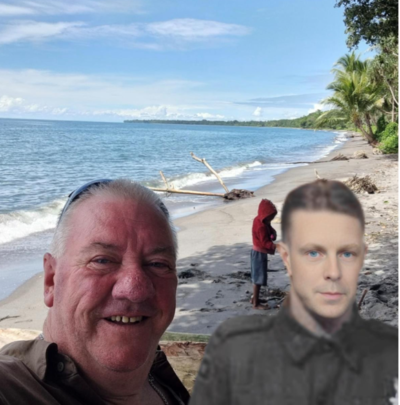
My mission to trace the footsteps of my Great Grandfather and original ANZAC, Thomas Houghton Davidson was now complete, having visited and attended the ANZAC Day dawn services in Sydney, Canberra, Albany, Cairo and Gallipoli. It was now time to trace the footsteps of my father, Alexander George McKenzie by travelling to New Guinea to explore Port Moresby, the Kokoda Track, the Northern Beachheads of Buna, Gona and Sanananda, visit Milne Bay and attend the ANZAC Day Dawn Service at Bomana Commonwealth War Cemetery in Port Moresby.
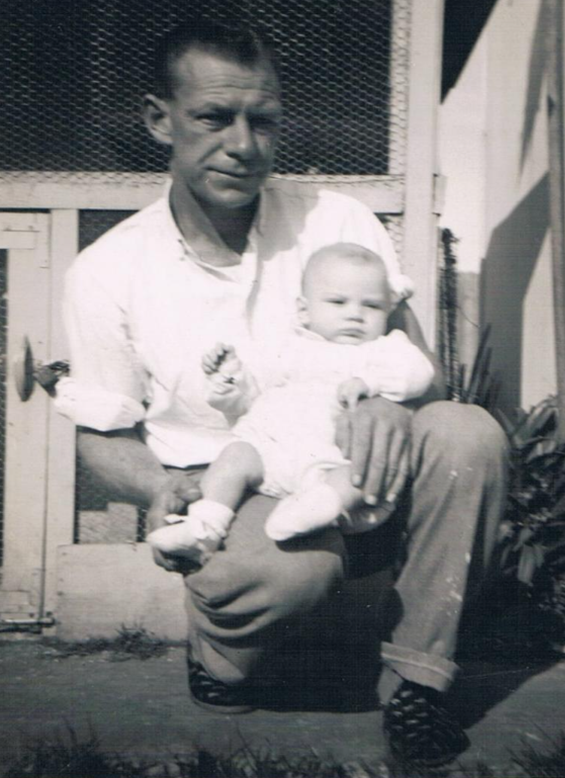
Dad
Alexander George McKenzie (Dad) with myself in 1963.
Dad was born on the 27th of August 1920 in Hurlstone Park, an inner suburb of Sydney. He was one of 9 children and the firstborn son of George Edward McKenzie and Clarice Davidson/Crispin. George was born in Bellingen in 1891 and married Clarice at St Mathews church, Bondi on the 6th of October 1917. Clarice was the daughter of Thomas Houghton Davidson, my Great Grandfather mentioned previously as one of the original Anzac’s.
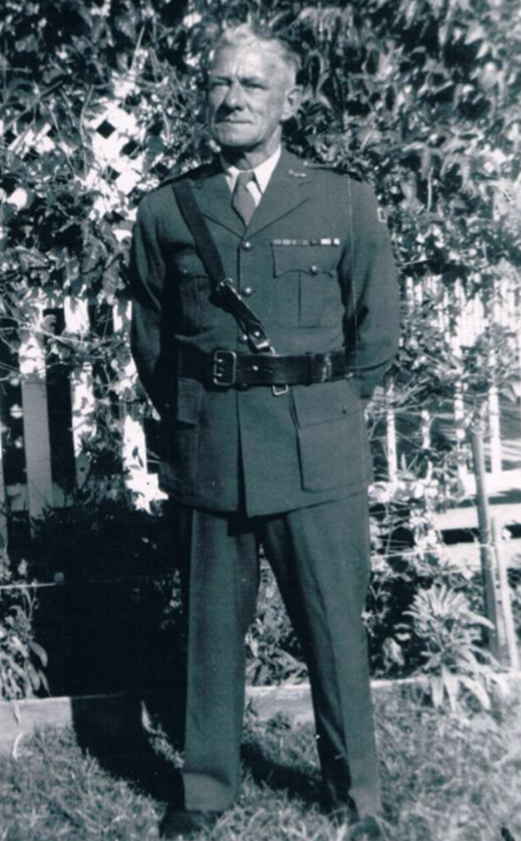
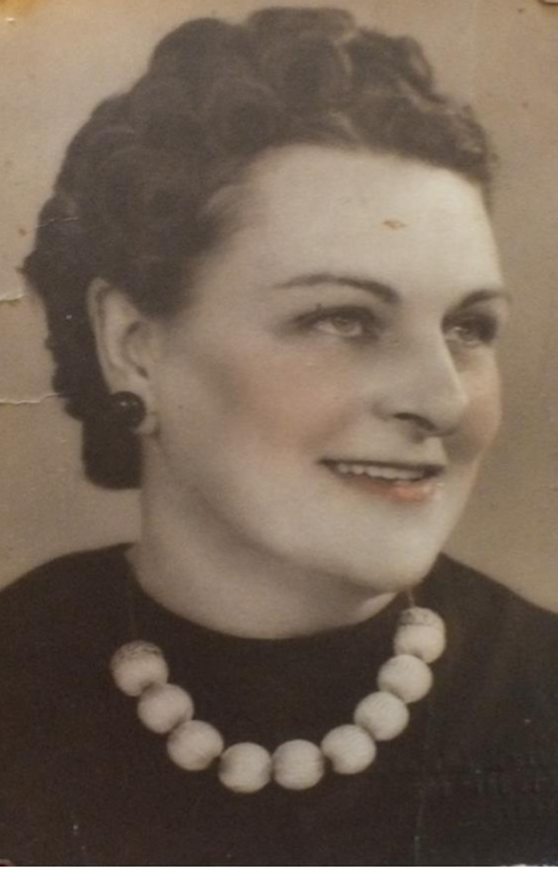
Unfortunately, my Grandmother Clarice passed away from cancer on the 22nd of August 1952, so I never had the pleasure of meeting her seeing as I myself was not born until 1963. Likewise, my Grandfather George passed away on the 27th of January 1964, so I was too young to have any recollection of him. My sister however has been able to pass on limited information on them both, Carol being some 20 years older than me.
George was a mechanical engineer and served in WW1, WW2 and then went on to serve in Japan as part of the Japanese Occupational Forces following WW2. Whilst photos of George in his Army uniform and a photo album he sent back from Japan during his time there substantiate this, I have been unable to track down his records as yet with the National Archives of Australia.
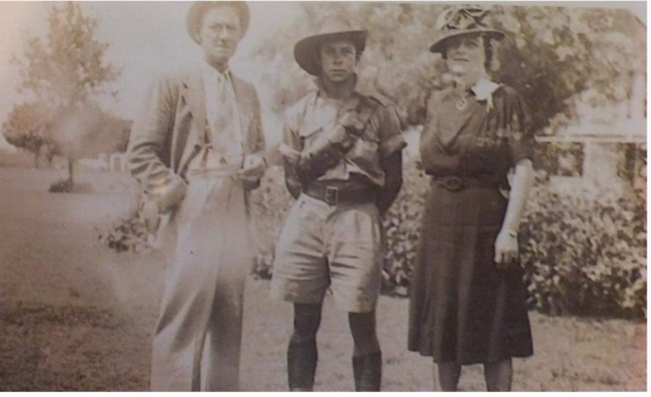
He was reputedly a very hard man which meant he had a rather tumultuous relationship with my father who left home at an early age. George idolised his wife Clarice, putting her on a pedestal and always ensuring he supplied her with the finest clothes in which to adorn herself. He was a shattered man following her passing, moving to Brisbane to live with Dad’s brother Edward till he joined her in 1964.
At the outbreak of WW2 in 1939, the legal age to enlist with the AIF was 20. This meant that Dad was not eligible to enlist until the 27th of August 1940 however his war records (see attachment at the rear of this book) show him as enlisting on the 12th of July 1940 at Paddington, NSW. Being around 6 weeks prior to Dad’s 20th birthday, he did what so many other young Australian men did at the time, he lied about his age. At the time of enlistment, Dad stated that his birthday was in fact the 27th of June 1919, hence appearing that he had just turned 21 at enlistment. He was allocated the serial number NX50944 and was described as having light brown hair with hazel eyes. He was originally listed as single with his mother Clarice being listed as next of kin.
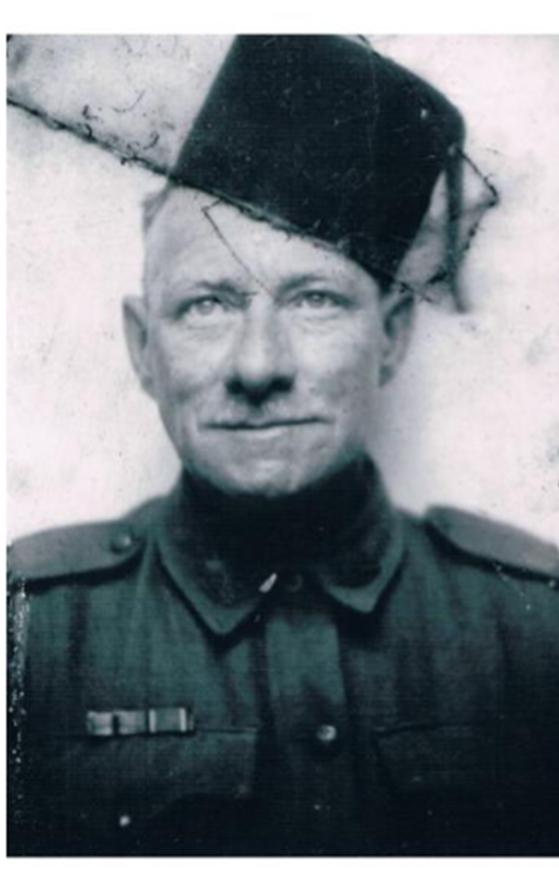
He was marched into the Recruit Reception Depot, or R.R.D for short at the Sydney Showgrounds. The RRD was responsible for receiving recruits, processing their initial paperwork, and preparing them for training and deployment. Dad was immediately posted to the Artillery Wing. On the 2nd of August he was transferred to the 3rd Pioneer Training Battalion before being transferred to the 2/15th Australian Field Company at Wallgrove, NSW on the 21st of November. He later became a member of the 2/3rd Army Field Workshops.
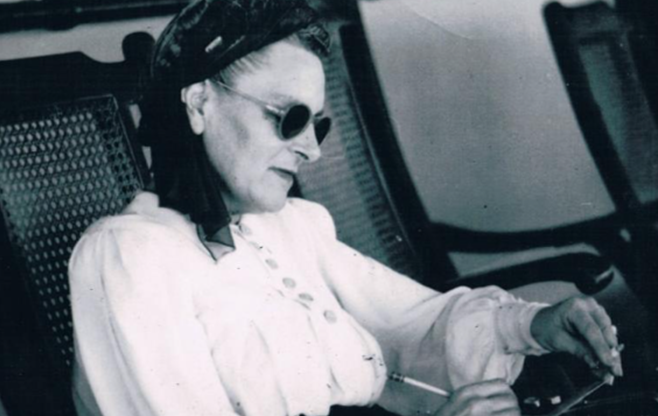
The 2/3rd Army Field Workshops were involved in repairing vehicles, tanks, artillery pieces and other equipment used by the Australian Army in various campaigns during the war and it was with this unit that my dad departed Sydney on the 27th of December 1940 bound for the middle east on board the RMS Aquitania. RMS Aquitania was an ocean liner of the Cunard Line in service from 1914 to 1950. She was launched on 21st April 1913 and sailed on her maiden voyage from Liverpool to New York on 30th May 1914. She was given the title of Royal Mail Ship (RMS) like many other Cunard ocean liners since she carried the royal mail on many of her voyages. Aquitania was the third in Cunard Line's grand trio of express liners, preceded by RMS Mauretania and RMS Lusitania. Shortly after Aquitania entered service, the First World War broke out during which she was first converted into an auxiliary cruiser before being used as a troop transport and a hospital ship, notably as part of the Gallipoli Campaign.
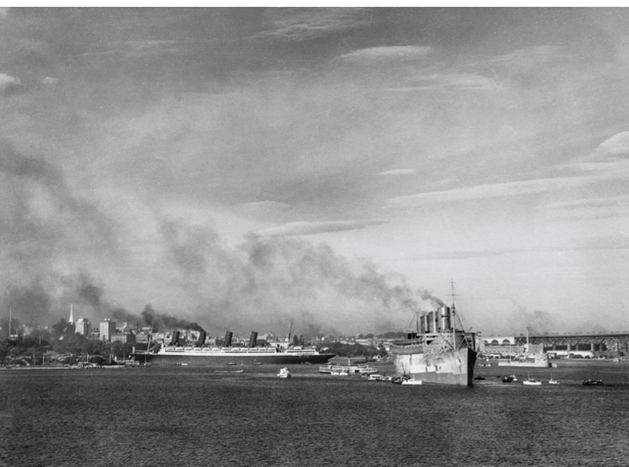
She returned to transatlantic passenger service in 1920 until the outbreak of World War 2 where she was again utilised as a troopship, not only transporting troops from Australia but also returning many soldiers to Canada.
After the war, she transported migrants to Canada before the Board of Trade found her unfit for further commercial service. She was officially withdrawn from service on the 21st of February,1950. Having served as a passenger ship for 36 years, Aquitania ended her career as the longest-serving Cunard vessel, the longest-serving express ocean liner of the 20th century and the only major ocean liner to have served in both world wars.
According to my father, he won the Bantam Weight boxing tournament on board this ship on its way to the middle east.
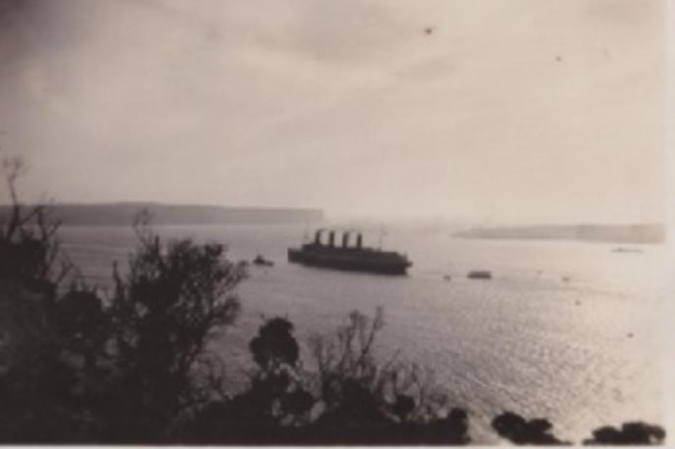
The Aquitania arrived at Kantara, otherwise known as El Qantara, Egypt on the 3rd of February 1941.
El Qantara is a northeastern Egyptian city on both sides of the Suez Canal, 160 kilometres northeast of Cairo and 50 kilometres south of Port Said. The city was important as a hospital centre during World War II when General Hospital No. 1 was located there from July 1941 to December 1945 and General Hospitals Nos. 41 and 92 at different periods.
Not much of Dad’s service in the middle east is revealed in his records other than he was graded a group III riveter on the 6th of January 1942. At the time of writing this book I am actively trying to obtain and decipher the 2/3rd Field Workshops Unit Diaries. These will not usually contain entries about individuals within the unit but will at least shed light on the units movements and activities as a whole. It is known however that they saw active service in Palestine, Jerusalem and Syria which is supported by photos I have obtained courtesy of the Australian War memorial.
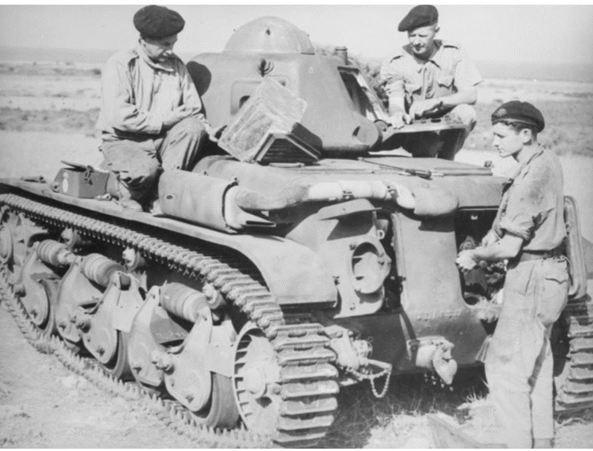
Men of the 2nd 3rd Field Workshops at work on a captured French Renault R 35 light tank near Tyre
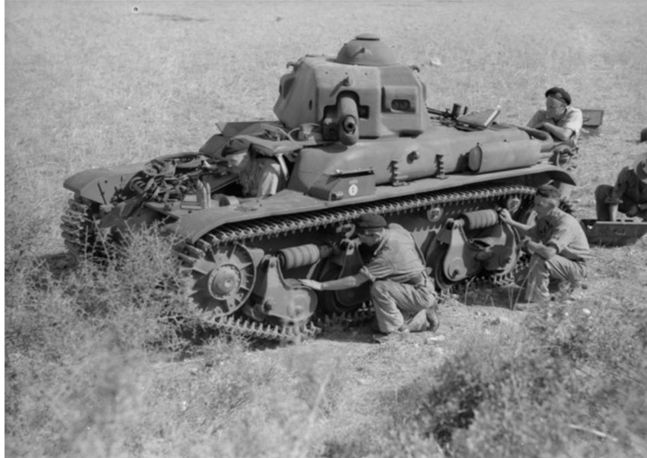
Captured French Tank
Whilst it was great to watch the work and achievements of my dad’s unit, giving an insight into the life he would have led during that tumultuous time, the photo’s do not compare to the ones taken by my father whilst in the middle east. Stored in an album held by my brother Ken, they are a real life insight into my dads time over there. Although they are faded and of poor quality, they are more important to me than any other photo stored digitally on the web.
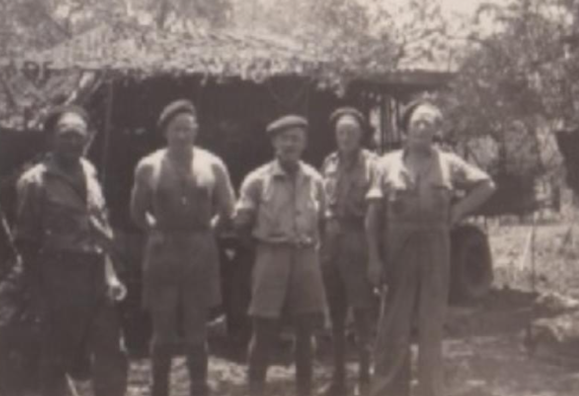
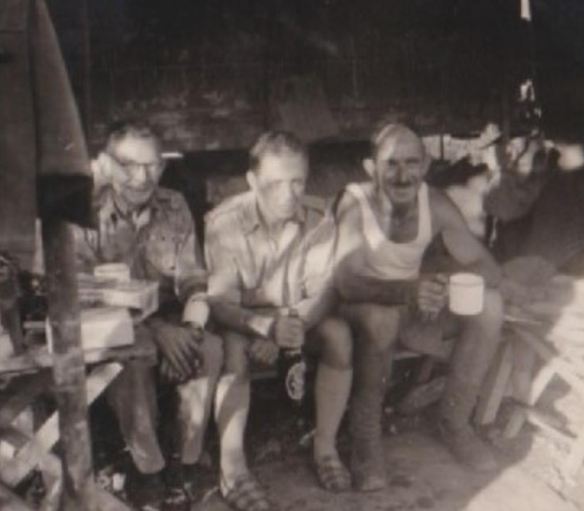
Dad’s mates. Written on the back of the photo - “The Sargeant with the glasses on was the one that put me through my trade test.”
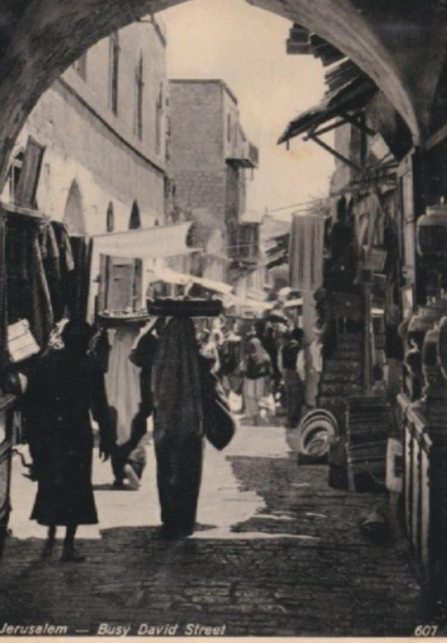
Postcard sent from Jerusalem-Busy David Street
As the Japanese advanced through the Pacific towards Papua New Guinea, it was decided that many of our A.I.F troops were required back home to protect Australia from invasion. Hence Dad departed the middle east on the 4th of February 1942 on board the S.S Salween.
As the Japanese advanced through the Pacific towards Papua New Guinea, it was decided that many of our A.I.F troops were required back home to protect Australia from invasion. Hence Dad departed the middle east on the 4th of February 1942 on board the S.S Salween.
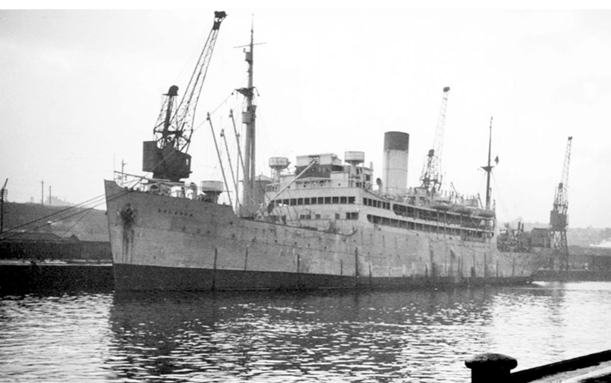
The Salween returned to Australia on the 25th of March 1942. Dad remained in Australia for some time during which his classification was changed from a Class III Rivetter to Group I Instrument Mechanic on the 14th of October 1942.
Dad’s life was about to change forever when he was granted a Leave of Absence from the 1st of November till the 16th of November. During this time, he married my mother, Brenda Gregson Pringle on the 4th of November at St Andrews Church, Sans Souci, NSW.
Brenda was born in Toxteth Park, London, England on the 30th of May 1921. She was the first born to Gordon Wallace Pringle and Lillian May Eaves who departed England onboard the P&O ship Beltana on the 22nd of April 1922 for a new life in Australia. Gordon (Pop) and Lily (Nan) went on to give Mum two siblings, Florence born in 1924 who always went by her middle name Amy and Thomas who was born in 1928.
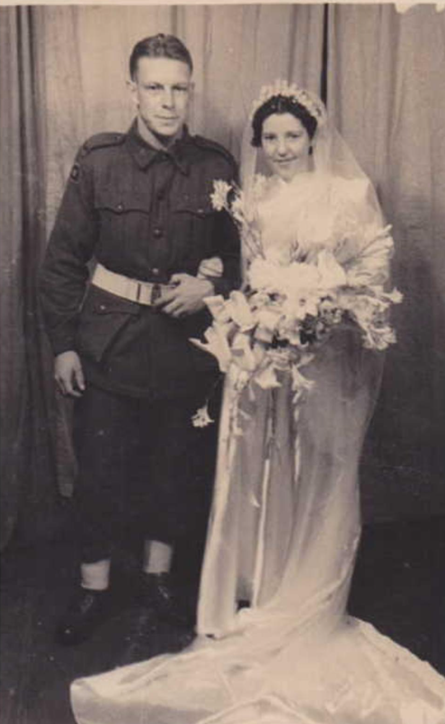
Mum and Dad were childhood sweethearts, growing up close to each other. He affectionately referred to her as Totty.
Returning to active service, Dad was admitted to the 3rd Camp Hospital in Enoggera, a suburb to the northwest of Brisbane for treatment of a skin condition on the 29th of January 1943, being discharged on the 5th of February 1943.
Dad’s next tour of overseas duty began on the 15th of July 1943 when he embarked the James M Goodhue bound for Buna, Papua New Guinea, disembarking on the 30th of July 1943. Buna was one of the Northern Beachheads that the Japanese landed at on the 21st of July 1942 along with the beaches at Gona and Sanananda, an attack which led to the bloody battle of Kokoda. The James M Goodhue was a Liberty ship, a class of cargo ship built in the United States during World War II under the Emergency Shipbuilding Program. The class was developed to meet British orders for transports to replace ships that had been lost. Eighteen American shipyards built 2,710 Liberty ships between 1941 and 1945 (an average of three ships every two days), easily the largest number of ships ever produced to a single design. The first ships required about 230 days to build (the first, Patrick Henry took 244 days), but the median production time per ship dropped to as little as 39 days by 1943.
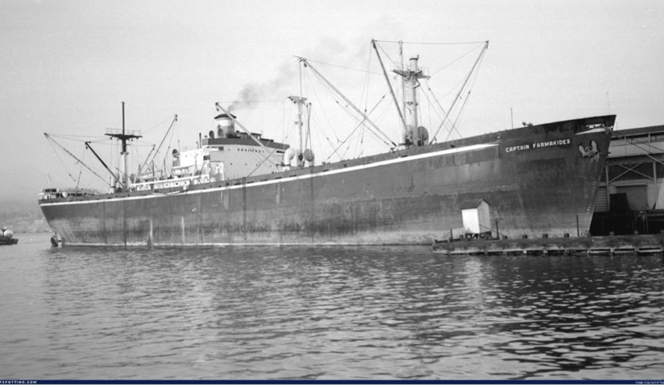
In September 1943 strategic plans and a shortage of more suitable ships required that Liberty ships be pressed into emergency use as troop transports with about 225 eventually converted for this purpose. The James M. Goodhue was built by the California Shipbuilding Corporation. Her keel was laid on 15 February 1943, launched on 15 March and delivered on 30 March. Following the war, she was sold in 1947 to Kulukundis & Mavroleon and renamed “Captain Farmakides”, being re-registered in Greece. She was again sold in 1962 and re-named, this time to the “Pytheas”. She developed a leak on the 2nd January 1966 whilst on a voyage from Göcek, Turkey to Baltimore. She was beached at Aghios Minas, Rhodes and was abandoned as a total loss.
At this point it’s worth mentioning a story told to me by my sister which not only needs correcting but is also worthy of mentioning in this article. My sister was under the impression that our dad, his brother Eddie (our uncle) and dad’s father George (pop) all sailed to the middle east together on the Aquitania. This was based on information that was passed down to my sister from Grandma Mckenzie. She was unhappy that three members of our family were placed together on the one ship because had anything happened to the Aquitania enroute, we would have lost all three at once.
Whilst some of this was right, it was far from the truth. Upon studying Uncle Eddies war records, it was found that he did not actually depart for the middle east until the 9th of April 1941, some 4 months later than my dad so travelling together was out of the question. What I did find out though was that Eddie was transferred to the same unit as my dad, the 2/3rd Field Workshops on the 7th of August 1941 so they served side by side in the middle east.
Not only did they serve side by side but the records show that they both returned to Australia together on the same ship, the S.S. Salween on the same day. Just to put the icing on the cake so to speak, Eddie was graded a Group I Instrument Mechanic on the same day as my dad AND that they both sailed together to Buna on board the James M Goodhue. Whilst there was some truth to what my sister believed, it had nothing to do with the Aquitania. What I did find however was that dad and Eddies association throughout the war far exceeded what we had thought. Hopefully one day, my pop’s records may show up and shed light on whether he was with them at any stage which is what my sister is led to believe. According to Carol, Pop never served in Papua New Guinea so the only chance that all three would have been together would have been on the return voyage from the middle east on the S.S. Salween. Time may someday reveal the answer.
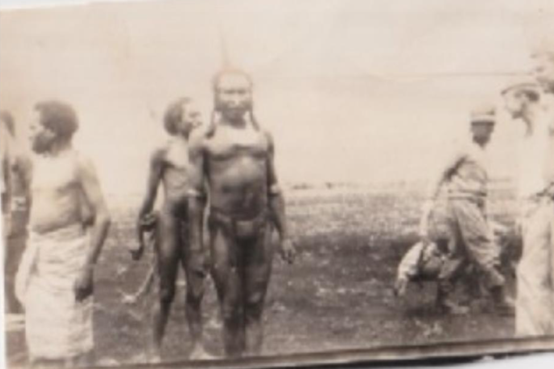
Dad recorded only two images of the indigenous Papua New Guinea natives during his time there. No other photos appear to exist of his time there.
As the war dragged on, it must have begun to take its toll on my dad. On the 11th of December 1943, his medical classification was revised to class “B” by the medical board. In AIF medical classifications, Class B typically means a person is medically fit for some duties, but with limitations due to non-permanent or permanent disabilities. This often translates to the individual having the ability to perform some civilian work but with a moderate degree of incapacity. As such, on the 21st of February 1944, dad was marched out to the New Guinea Deployment Depot for mobilisation to the General Details Depot in Queensland for disposal, i.e. discharge.
According to dad’s records, he left Port Moresby on the 8th of March 1944, arriving in Brisbane on the 15th of March. The name of the ship appears to be “Beth” but I have not been able to find any records of this ship. From here he was evacuated to the 3rd Army Camp Hospital at Enoggera, Brisbane with severe dermatitis and acne to the back and neck. He was evacuated to the 114th Army General Hospital in Goulburn NSW on the 23rd of June 1944.
Dad was no angel. On the 3rd of July 1944 whilst at the 114th Army General Hospital, he was fined one pond (a lot of money back then) by the hospitals commanding officer for “neglecting to obey hospital standing orders” and “conduct to the prejudice of good order and military discipline”. Knowing dad he probably gave one of the doctors or nurses a mouthful.
He was discharged from the 114 AGH and returned to the General Details Depot in Queensland.
On the 1st of November 1944, dads service form was stamped “Discharged AMR & O 253(a)(1)(d) being medically unfit for further miliary service”. AMR&O stands for “Australian Military Regulations and Orders”. Combined, the regulations and orders are a code of conditions for the army during both peace and wartime. Regulation 253 sets out the conditions under which a soldier may be discharged. The (d) means that he is medically unfit for further military service.
So, with a rubber stamp and the stroke of a pen, dads military service had come to an end.
As for Uncle Eddie, he too survived the war and returned to Australia where he was officially discharged on the 28th of November 1945, his papers being stamped “AMR&O 253A (1)(n)” the (n) meaning that he was discharged because of demobilisation at the end of the war.
My pilgrimage to Papua New Guinea was even more warranted as dad had a second brother, John Raymond Mckenzie who also served. John was born on the 4th of September 1926. Being younger than dad and Eddie, he did not enlist until the 15th of December 1942, the minimum age for enlisting being dropped to 19 in 1941. John did not serve in the middle east but was sent directly to Papua New Guinea. He embarked on the 23rd of July1943, travelling to Port Moresby on the HMAS Katoomba, disembarking on the 23rd of July.
Less than 2 months after arriving, John was wounded on the 14th of September,1943. He was carried out by the famous fuzzy wuzzy angels after being shot in the calf muscle. I remember seeing John in later years and can honestly say that where his calf muscle
once was, there was nothing more than scar tissue. Initially evacuated by the 2/4th Field Ambulance, he was later transferred to the 2/5th Australian general hospital. He returned to Australia, departing Port Moresby on the 2nd of October onboard an unidentified hospital ship, arriving back in Brisbane on the 6th of October. He was transferred to the 113 Army General Hospital in Concord, NSW by ambulance train on the 7th of October.
John bounced between the 113 AGH and the Lady Gowrie Convalescent Home in Gordon, NSW before being reclassified by the medical board as class “B” on the 30th of May 1944. In June 1945, John was transferred to various Australian dental units before finally being discharged on account of demobilization on the 13th of Jue 1946.
With such an extensive family connection with the war in Papua New Guinea, it was no wonder that I felt the need to visit there and experience, to some extent, what they endured.
Dad returned to civilian life, holding down many jobs including one where he worked on the construction of the Eastern Suburbs Railway in Sydney, but for the most part, he became the manager at Enfield Olympic Swimming Pool until his retirement due to ill health.
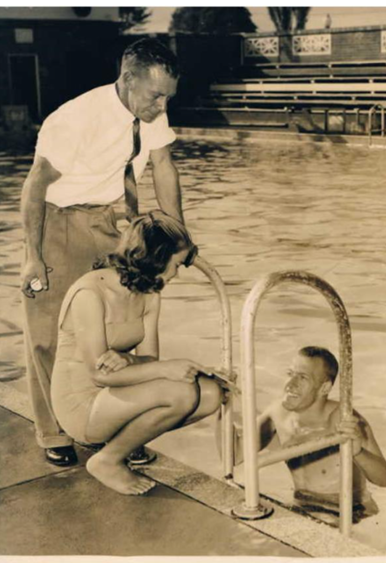
He endured great pain in his final years but always put on a brave face and a smile for his grandchildren whom he adored. Alexander George Mckenzie found peace on the 19th of June 1994 at his home at 4 Keira Avenue, Greenacre, NSW. My mum Brenda followed him on the 13th of August 2001 at Merredith House Nursing Home in Homebush with her 3 children by her side being Carol, Ken and myself. She too was now at peace after battling dementia for several years. They are both now resting side by side at Woronora Cemetery close to their beloved grandson Bryan who tragically passed at the young age of 11 on ANZAC Day 1988.
Dad rarely spoke about the war in his civilian life. Like so many others, the horrors that he saw and participated in were pushed far into the memory banks. He never participated in an ANZAC Day march. “War is not something that should be glorified” he would say. I am a firm believer that everyone has a right to their own opinion, some saying that they march to honour and remember their fallen mates, others to come together to reunite with their war time friends. They are all valid reasons and I respect each and every one of them regardless of their belief. I have often thought of marching with the descendants of WW2, however, from my point of view that would be disrespectful to my dad and for that reason have never participated. One day I may however march with the descendants of WW1 in memory of my Great Grandfather. Time will tell.
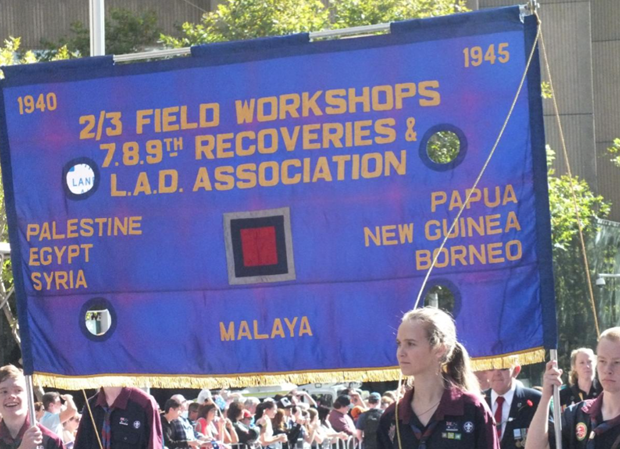
One thing I do remember is that although Dad never marched, every Anzac Day he would sit there glued to the TV and watch it whilst consuming vast amounts of beer. At times, tears would flow but for the most part a fire would build in his eyes as he was transported back to a time he wished had never happened. With an anger that only a former soldier could have, he would occasionally come out with some statements that are barely printable in a book like this, statements such as “I can forgive the German’s but I’ll never forgive the f%#@en Japanese. They just trampled our blokes into the mud just so they wouldn’t get their bloody boots dirty”. It certainly aroused curiosity as to what really happened in Dad’s private world.
With that in mind and having completed my Gallipoli trail, it was decided that I should now turn my attention to WW2 and walk in my dad’s footsteps. Planning began to take form from the 29th of April 2024 when just 2 days after returning from my Anzac trip to Albany I paid my deposit for my next adventure. After researching many different tour companies, I settled on booking a 9 day non trekking tour of the Kokoda Track with an Anzac Day Dawn Service at Bomana War Cemetery in Port Moresby included with Kokoda Historical. Although walking the Kokoda Track would have been a wonderful experience, I am also a realist and soon come to the conclusion that at my level of fitness and that I would be aged 62 at the time of the walk, it would have been more of a suicide mission than a pilgrimage. At least the non-trekking tour would take in most of the key sites at both ends of the track and visit some places that my dad would have been at, such as Buna. The full itinerary from Kokoda Historical can be found at the back of this book. My friend Patrick Marlin, a fellow train driver had walked the track some 12 years prior with the same company and highly recommended them. My mate and travelling companion to Gallipoli in 2019 Les Bryant, after some consideration decided to come with me again as he too had long wished to visit Kokoda. After some further discussions with Pat, he too asked if he could tag along so we were now a party of three. This was shaping up to be a great trip.
Interest was certainly growing. Paul McGufficke, affectionately known as “Boof” decided to pay us a visit shortly afterwards. We met Boof on our Gallipoli trip in 2019 and we had kept in touch with each other since. Residing in Cooma and working on the checkouts at Woolworths, Boof was an absolute legend when it came to war time history. He was a walking encyclopedia and would certainly rival many guides. His passion for the diggers is beyond reproach, recently completing a trip to the Western Front where he performed ceremonies at many of the graves of servicemen from the Cooma Monaro district. How more Aussie can you get than to lay local wool, wattle and “sheepshit” at their gravesites. A great touch I reckon. After several beers at the Bayview Hotel at Woy Woy, Les and I ventured to the bistro to order dinner. When we returned, Boof greeted us with “Well, that’s settled”. Asking what he meant he surprised us with the news that during our brief absence, he had gone online and booked a place on the trip and paid his deposit.
Sadly, in February, just 2 months before we were due to depart, Les had to make the difficult decision to pull out. His wife was suffering from a medical condition that would likely require an operation at a date yet to be determined. Les too had problems and after talking with his doctor, was advised that the conditions he would face in New Guinea would not be in his best interest. I felt so sorry for him as this was a trip he really wanted to do and you could feel his disappointed. I was really looking forward to experiencing this trip with him and creating great memories like those we accrued in Gallipoli but fully understand the need for the cancellation. We are already discussing the possibility of us doing an ANZAC Dawn Service in Wellington, New Zealand in the future.
As our trip grew closer, final preparations were made. Vaccinations and Anti-Malarial tablets were obtained. Being a specialist kind of trip, specific items were bought to meet our needs such as light weight quick dry towels, electrolyte tablets and the like. Accommodation was booked at the Ibis Hotel at Sydney Domestic Terminal for the night before our flight. Kokoda Historical hosted two information zoom meetings in the lead up to the trip but neither went well with tech issues hampering the meetings but we got enough out of them to have some questions answered, such as power availability for my CPAP machine whilst in Buna. Turns out battery power was the only safe option so a new machine was purchased that could operate on battery power.
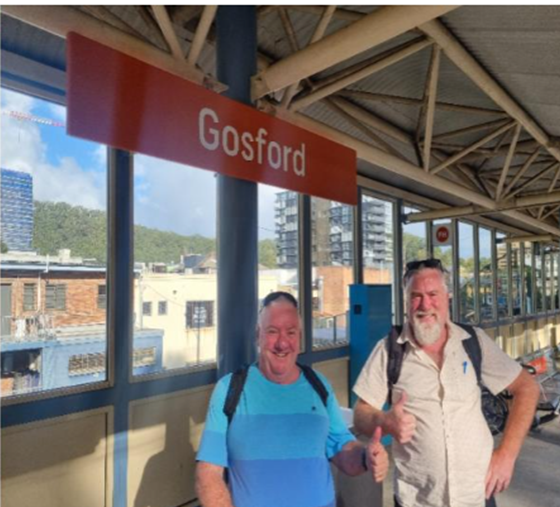
The usual packing, checking and repacking was done in the final week and before long, the time had come to embark on my next Anzac adventure. In what had become almost a ritual, a final photo was taken with my family on the front lawn before they dropped me at Gosford Station to meet up with Pat and start the trip to Sydney.
One of the benefits of both Pat and I being train drivers was the ability to ride in the comfort of the drivers cab where we were able to avoid the crowd and had plenty of room for our luggage. A short walk from the Domestic train station and we were at our accommodation, the Ibis Budget Hotel. Being a budget hotel there was no dining or bar options so with check in completed, we ventured next door to the Mantra Hotel for dinner and some final ales on Australian soil before bedding down for a relatively early night, setting our alarms for an early 3.30am start.
In what could be considered day 1 of our trip, we arose early and made our way back to the airport terminal, this time by taxi. Check in was smooth despite waiting for the QANTAS staff to arrive and open up. Although they advise to arrive 2 hours before the advertised departure time , check in did not open up until 4.30am for our 6am flight. Bugger, I could have had an extra half an hours sleep. Next on the agenda was coffee to kick start the day and knock down a light breakfast. Before long we were boarding flight QF500, a Boeing 737 bound for Brisbane.
Once in the air, we were treated to a magnificent sunrise heralding the dawn of what was to become a wonderful trip to explore our northern neighbour and ally during WW2.
1 hour and 30 minutes later were in Brisbane, the first leg of our journey done. With no time to waste, we collected our luggage and boarded the airport shuttle bus to travel from the domestic to the international terminal where we again had to check in our luggage and this time pass through customs. The good part was that seeing we were now flying international, we had access to duty free so a couple of bottles of Baileys were bought for the trip. Now for the finale, we boarded flight QF57, a 3-hour 15 minute flight to Port Moresby.
I must admit that whilst my booking experience with Qantas was far from pleasurable, the in-flight service so far had been great, a vast improvement on my flight to Aukland years earlier. So great infact that they even served the favourite beer of mine and Les, Stone and Wood with lunch.
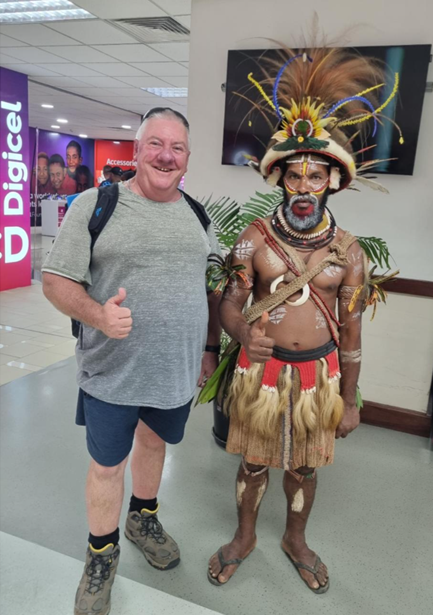
Touchdown in Port Moresby was on time at 12.20pm and our thoughts immediately turned to collecting our luggage, clearing customs and tracking down the courtesy bus to take us to our accommodation, the Hilton Hotel, but not before getting a photo with a native New Guinean for the princely sum of 50 Kina. Probably the best paid person in New Guinea.
Whilst in the queue waiting to clear customs, we noticed a bloke in a Kokoda Historical shirt several people behind us. We immediately recognised him from our Zoom meetings as being Bruce McClean, our leader and historian for our trip. Bruce who hails from Victoria is described as having a “passion for all things relating to Australian military history” according to the Kokoda Historical website. He has served with the Army Reserves and is an active member of the Creswick Light Horse Troop, an organisation who re-enact the Light Horse Brigade of WW1 at events such as Anzac Day services. Bruce first walked the Kokoda track in 1998 after reading Peter Brune’s book “Those Ragged Bloody Heroes” in which he read about his uncle, Lieutenant Douglas McClean MC who served with famous 39th Battalion.
With introductions out of the way, Bruce led the way to the Hilton Hotel courtesy bus to transport us to our accommodation for the next couple of nights. Enroute, it became blatantly apparent why it was recommended not to wander the streets of Port Moresby.
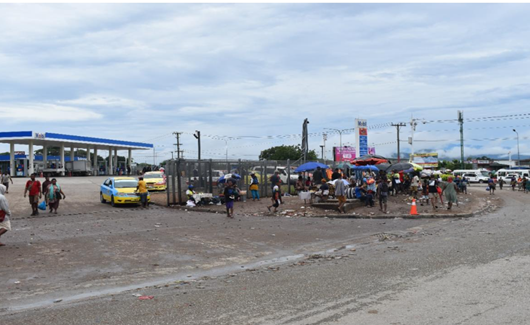
All along the way we observed stand upon stand of people selling beetle nut which when chewed creates a hallucinogenic effect as well as causing the consumer to have a blood red mouth and their teeth to eventually fall out. Over the duration of the trip, we noticed that probably around 80% of the population took part in this, including some children we observed that had probably not yet hit double figures in age.
Rubbish was strewn everywhere and the supermarkets and shops we saw along the way were all surrounded with high fencing and barbed wire along with security guards. Road rules were partially obeyed, that’s if you could call them roads. We encountered some double lane roundabouts where cars would suddenly swerve or hit their brakes to avoid potholes that were of such size that they could swallow an entire car. Mind you, I’m not talking about some quiet country road here, this was in the middle of the capital city. To make a comparison, this would be on the corner of George and Bathurst streets in the middle of Sydney. Pat and I agreed that we would not be venturing outside the hotel unless it was part of the tour with appropriate security.
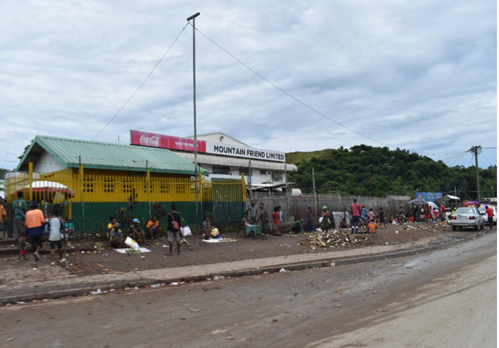
Probably one of the most apparent things to me about New Guinea I encountered from the second I exited the plane. That was the extreme, and I mean EXTREME humidity. It felt like as soon as the plane door opened, there was an army of people standing at the exit armed with spray bottles aimed directly at you before entering a sauna. I can honestly say that I had never experienced humidity like this. Within mere minutes, clothes were wet with sweat, and this was to remain a constant for the duration of the trip, any time of day or night. It made the thought of air conditioning and the prospect of a refreshing cold beer at the hotel extremely enticing so it was with great relief when the Hilton came into view.
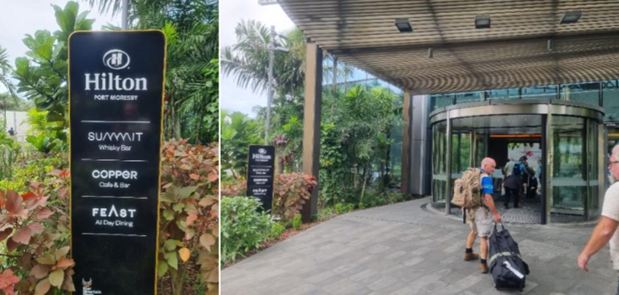
The hotel was protected by gates that were at least 12 feet tall, boom gates and numerous security guards. It was comforting to know that at least within these walls, we were guaranteed somewhat a degree of safety. As soon as we neared the revolving doors at the entry to the hotel, we could feel the coolness of the air conditioning wafting towards us. It was more than a welcome relief. Once inside, we were greeted with the sight of a huge paper mâché easter egg crafted by some local children from a nearby school. More importantly, the sight of a lounge bar heralded the start of what was to become our local watering hole during our time in Port Moresby.
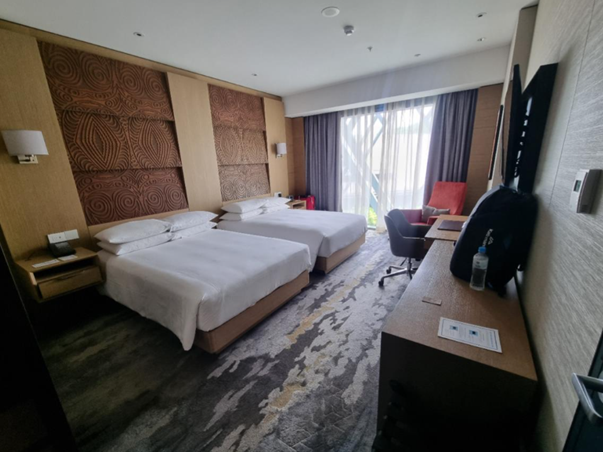
With check in completed we ventured up to check out our room. It was spacious and well appointed. That first night I feared that the noise from my sleep apnoea machine would keep Pat awake as he too shared the same concerns about his snoring. Time would tell if this was to be the case.
Within minutes we were back downstairs partaking of our first New Guinean beer, a South Pacific Lager or SP Lager for short. Not a bad drop I must say. As the afternoon progressed, some of the other members of the trip began to trickle in and we began to introduce ourselves over a drink at the bar. Others we would not meet up with until the welcome dinner to be held that night.
My mate Boof from Cooma showed up later that evening, arriving on a later flight. He had brought a heap, and I mean a heap of stuff with him to give out to the local children as we ventured around during the tour. He commented on how he had to open up the parcel up at the customs desk and that he could not get it closed again afterwards and the astounded look on Bruce’s face when he realised just how much he had brought with him. He knew in advance that Boof would have stuff, but I think it took him back just how much there was. It was to prove a huge hit with the kids as the trip progressed. In short, there were 20 rugby league balls, 70 tennis balls, 30 skipping ropes, 11 Frisbees, 3 kites, 15 football shirts and 13 soccer jerseys. Me being a St George supporter, he made certain I knew that he was not going to bring a St George ball with
him as he believed that would be an act of child abuse giving a poor child such a gift. He also knew he would get a bite out of me and he did! I brought colouring in books, pencils, sharpeners, pencil cases and ball pumps but made damn sure that I picked up a St George ball to take, explaining to Boof that it would be given to a special child who was deserving of such fine and excellent gift. And so, the games began, hee hee hee.
That night before dinner, the group came together in a small function room to meet each other and have Bruce explain the tour in finer detail to prepare us for the days ahead. Whilst some of us had met at the bar earlier, it was great to get together as a collective and share our story as to why we were there. One by one, we went around the room and told our story.
Patrick Marlin
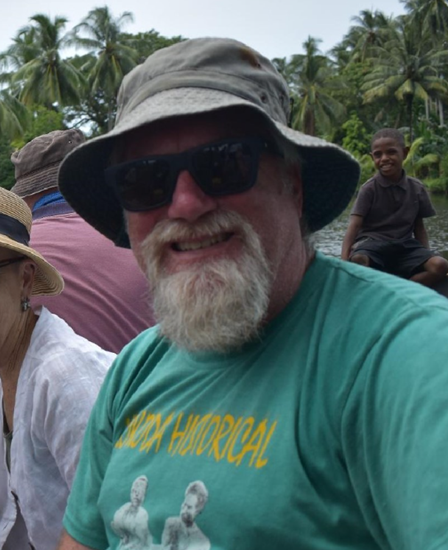
Pat and I have worked together for many years as Train Drivers. He has a love of walking and is passionate about the men who women who served to protect our way of life. His sister expressed an interest to walk the Kokoda track before she turned 40 so in 2008 she teamed up with Pat and did the walk with Kokoda Historical. She achieved her dream, turning 40 on the track at Eora Creek.
Knowing that Pat had previously walked the track, Les and I sought his advice and, on his recommendation, booked the Kokoda Historical Non-Trekking Tour. Keen to return and visit Kokoda again, Pat asked if he could join in, especially as we were planning on going to Milne Bay, a place Pat had not yet explored.
Paul (Boof) McGufficke
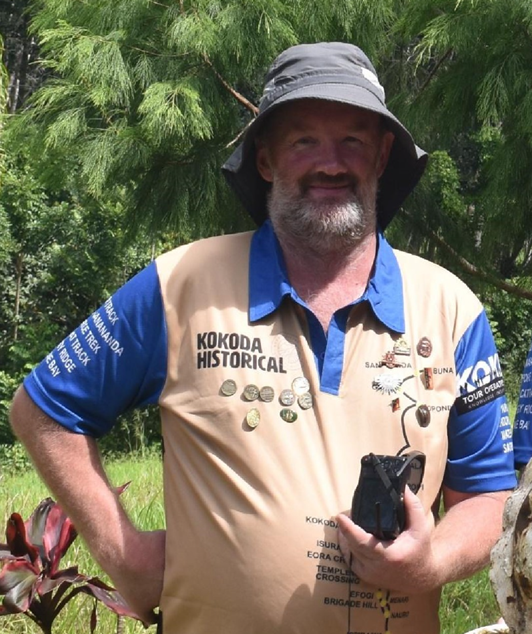
Boof and I met on the Mat McLachlan Anzac Day Gallipoli trip in 2019. He went on to do the Mat McLaughlin Western Front tour straight after that. He has also done tours within Australia including Cowra (the site of the Japanese POW escape) and Darwin to
commemorate the Japanese bombings of Darwin. He has attempted to walk Kokoda previously, unfortunately without success but you have to admire him for giving it a go instead of just sitting on the lounge thinking about it.
He as a profound respect for those that served and his passion for the subject must be seen to be believed. His knowledge of the first and second world wars is beyond reproach. A bit of a rogue, he has a huge heart and has travelled to the Western Front and Gallipoli to perform special commemorative services at the graves of servicemen from all over the Cooma/Monaro district, after which he takes pictures to freely send to their descendants if asked. I was looking forward to witnessing some of his special services in New Guinea at the gravesites of servicemen at Bomana War Cemetery and key battle sites during the trip. When visiting in 2024, he became interested when my friend Les and I were telling him of our plans to do the non-trekking tour in 2025. He surprised us by signing up for the tour whilst we ordered dinner and the rest is history. He had not yet visited the Northern Beachheads of Buna, Sananda and Gona and admitted that he knew little of the battle at Milne Bay so he was looking forward to visiting new sites and expanding his knowledge.
John and Chris Simos
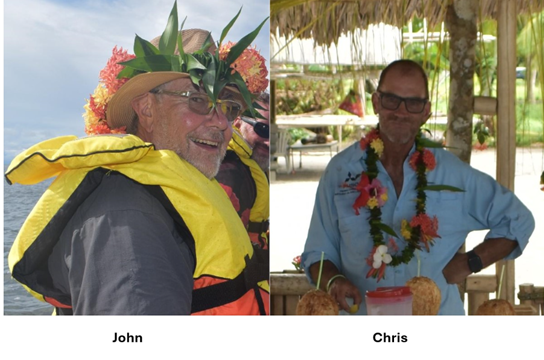
John and Chris are a father and son team from Southern NSW that have developed a ritual of spending Anzac Day together. This particular year they decided to travel together to Papua New Guinea to, in John’s words “Further honour and pay our respects to those who bravely sacrificed so much to help save Australia”.
Bob and Janine Coppi
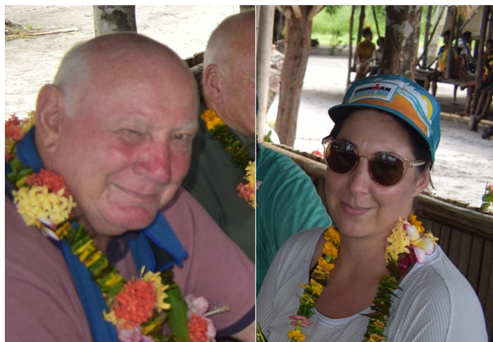
Bob hails from South Australia and was a former building inspector, now retired. He was accompanied by his daughter Janine and between the pair of them, provided hours of entertainment as Bob and Janine niggled each other, in a loving way, that only a father and daughter can. A survivor of throat cancer, Bob was apprehensive about doing the tour but Janine just went ahead and booked it so it was no longer under Bob’s control. In Bob’s words, “I wanted to go to where my dad fought to see what they put up with, the conditions, the weather, the whole experience”. He went on to say after the trip that it was the best holiday he had ever had, the group were all easy to get along with and that he was “bloody glad to have done it while he was still able to”. Bob was renowned for his joke telling, even though most times he would get nearly to the punchline before realising he had missed a crucial part of the story and had to backtrack for it to make sense.
Janine said that reasons for wanting to do the PNG trip were simple. “I wanted Dad to get the chance to visit where his father (my grandfather) fought and I knew he’d never do it by himself, so I came along primarily to support my dad but also to get closer to our family history as I never got to meet my grandfather”.
Stephen Stockdale
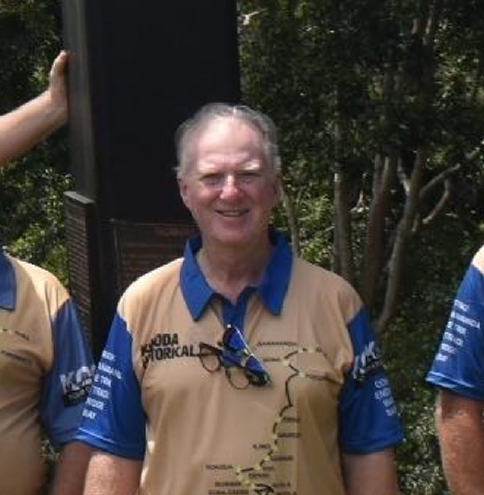
Stephen hails from Melbourne and volunteers as a guide at the Shrine of Remembrance. In Stephen’s own words, “The main reason to join you all in PNG was to see some of the country where my father (and 1000’s of other AIF) was in WW2”. Stephen was kind enough to share some photos of his father that appear on the Australian War Memorial website.
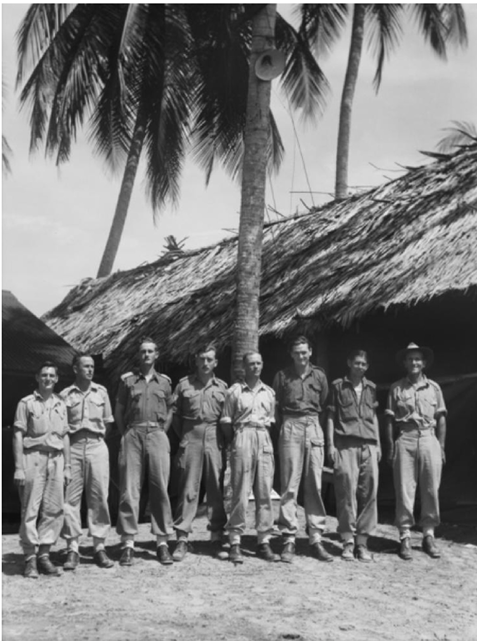
Charles Williams
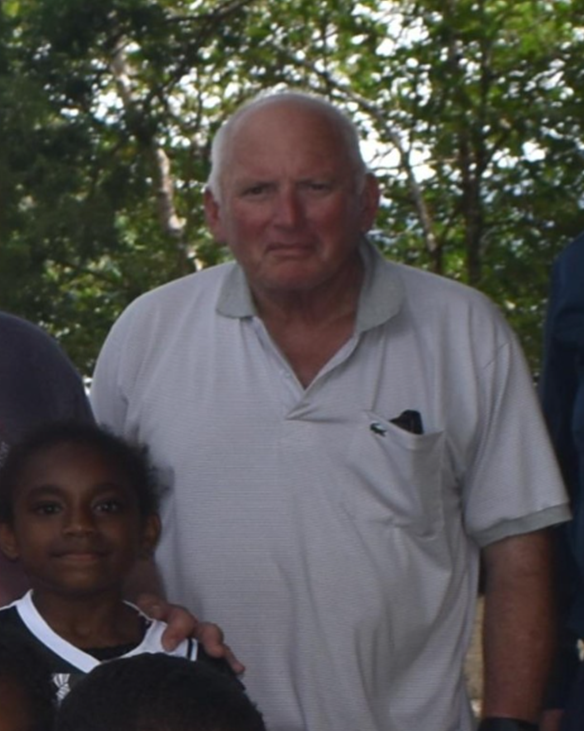
Charles explained that he has a particular fascination with that era of the war, especially in the Asia/Pacific region including New Guinea. As he went on to tell his story, it became evident that Charles had a very real connection involving is father.
His father was born in Scotland and emigrated to Malaya where he managed rubber plantations prior to the outbreak of the war. When the Japanese invaded, he joined the Malayan volunteers who were attached to the Australian 8th Division. With the fall of Singapore to the Japanese, most members of the division were captured and became prisoners of war where one in three died in captivity, Charles’s father being one of them. He was forced to work on the infamous Thai-Burma Railway where reportedly one Prisoner of War died for every sleeper that was laid. It is hoped that I will travel to Thailand in 2027 to attend the ANZAC Dawn Service at Hellfire Pass.
Charles’s father went on to survive the atrocities that were committed on the “Death Railway” but as Charles explained, the effects of his incarceration and ill treatment took a heavy toll on his health and explains why he passed away at the relatively early age of 52.
Charles himself joined the Royal Australian Navy and served as an ordinary seaman on the HMAS Melbourne. It was there that he met his travelling companion, John. He currently resides not far from Albany, Western Australia. He has an impressive knowledge of the war and was able to entertain us with many history lessons in this area.
John Daley
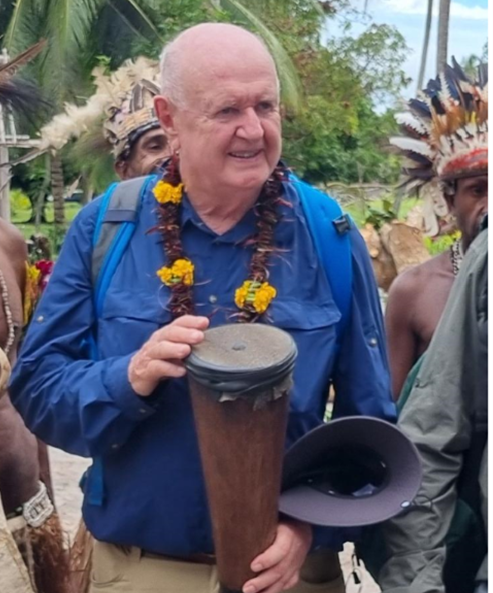
John was Charles’s travelling companion and as stated earlier served with Charles on the HMAS Melbourne. He currently resides in Kilcunda, Victoria. In John’s own words, “My trip to New Guinea was because my mothers two brothers served there as well as another uncle at Milne Bay. The remarkable effort of the men to turn back the Japanese is an important part of our history. My mother’s cousin was married to Major General Vasey which was another reason I was interested. I have been to a lot of spots such as Gallipoli, Normandy and WW1 sites as well as areas where my two great uncles fought in the Boer War, so I have a great interest in military history”.
Major General George Vasey CB, CBE, DSO & Bar that John referred to was an Australian Army officer who rose to the rank of major general during the Second World War, before being killed in a plane crash near Cairns in 1945. Shortly after the outbreak of Second World War in September 1939, Lieutenant General Sir Thomas Blamey appointed Vasey to the staff of the 6th Division. In March 1941, Vasey took command of 19th Infantry Brigade, which he led in the Battle of Greece and Battle of Crete.
Returning to Australia in 1942, Vasey was promoted to major general and became Deputy Chief of the General Staff. In September 1942, he assumed command of the 7th Division, fighting the Japanese in the Kokoda Track campaign and the Battle of Buna-Gona. With that connection within your family, it was no surprise that John had such an avid interest in Australian military history, especially in regard to the fighting in New Guinea. John and Charles accompanied myself, Pat and Boof when we did the extension tour to Milne Bay after the Kokoda Non Trekking Tour.
Carly and Greg Watkins
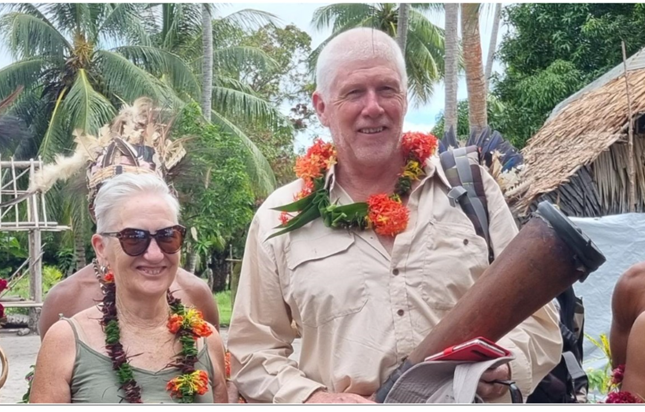
Carly and Greg live at Kyabram, about 30km NW of Shepparton, Victoria where they raise cattle. Greg had an uncle who was killed at Salamaua which at the beginning of the Second World War was the administrative centre for the New Guinea district of Morobe and contained a small wharf and an airstrip. Salamaua was occupied by the Japanese in March 1942 and developed as a base but was retaken, without opposition by the 42nd Australian Battalion on 11 September 1943.
Lae fell to the 7th Australian Division five days later. Greg’s uncle is buried at the Commonwealth War Cemetery in Lae. Greg and Carly travelled to Lae as an extension tour after our non-trekking tour with Kokoda Historical so they could visit his gravesite. Greg had spoken with his father about visiting the site but were advised by the Department of Foreign Affairs at the time not to travel there. Greg’s father has since passed but they are planning to return to New Guinea in 2026 where Greg and Carly plan to visit the site on a nearby hill where his uncle is believed to have been killed.
They also plan to place some of Greg’s father’s ashes at the gravesite of his brother in Lae. Greg was very emotional about his trip to Lae and I’m sure the visit in 2026 will again be an extremely emotional and life changing event for the both of them.
Bruce McClean (Guide and Historian)
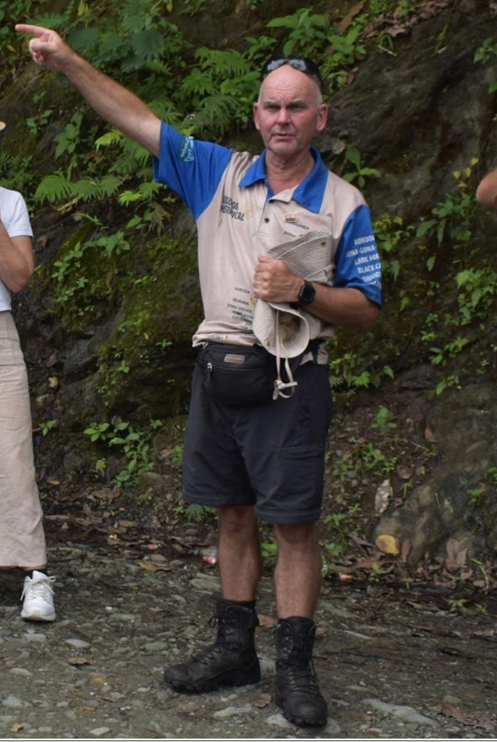
Bruce McClean first walked the Kokoda Track in 1998. He has developed a passion for all things Kokoda ever since he picked up his first book on the subject called "Those Ragged Bloody Heroes" and read about his uncle, Lieutenant Douglas McClean MC of the 39th Battalion. He has a passion for all things relating to Australian military history and is an active member of the Creswick Light Horse Troop. Bruce has been a member of the Army Reserve and continues his passion for military history by conducting many public presentations when requested.
Bruce has walked the track many times and in recent years started leading treks and non-trekking tours such as ours for Kokoda Historical.
As Bruce said, “My job, or to put it a different way, my passion is to tell the various stories and history of what happened at the Norther beaches in PNG in 1942 to those of us who can’t or are unable to walk the Kokoda Track. The campaign at the Northern beaches is no less important to the story of those early grim days of the Pacific War and it is a privilege for me to do so. There is so much more to learn about those times”.
As we went around the room sharing our stories, it soon become quite apparent that we all had one thing in common and that was a huge amount of respect for those that fought for our freedom and quality of life that we enjoy today, especially those that had paid the ultimate price and laid down their lives for us.
With introductions out of the way, Bruce went on to give a brief but none the less comprehensive outline of what to expect over the next 8 days, including what to pack (or more to the point what not to pack) for our charter flight to Kokoda. That was combined with a brief but none the less interesting description of the Australian campaign in New Guinea.
As most of us had spent the day travelling to Port Moresby, some left the meet and greet and retired directly to their rooms while some of us retired to the bar for a quick nightcap, but whichever way you look at it, we all pretty well had an early night ready to hit Port Moresby the next day for our first full day of touring and exploring.
Morning arrived and it was comforting to know that neither Pat’s snoring or my CPAP machine bothered either of us, so a good night’s sleep prepared us for the day ahead as did the breakfast laid on by the hotel. It was a full spread of both hot and cold foods, but the standout was the fresh fruit available. As for drinks, the freshly made fruit smoothies were a definite hit as were the plentiful fresh coconuts supplying delightful coconut water. Fuelled up and packed for the day, we headed outside to the minibus.
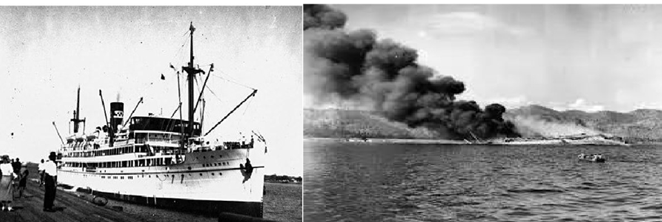
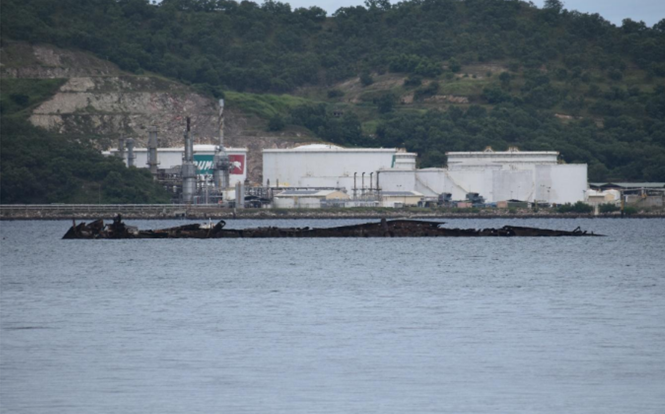
As early as it was, around 8am, the day was already heating up and the humidity smacked us in the face like a wet sponge the second we stepped out through the doors of the hotel. I swear I had already built up a sweat by the time I reached the bus and that was only a matter of metres! As we boarded the bus for the first time, I thought I would grab a quick photo. That was an impossibility because the second I removed the lens cap it fogged up. A quick wipe of the lens and the mist returned within seconds. Giving up on the idea of taking photos until the camera warmed up, I donned my sunglasses only to have them immediately fog up as well. Giving up on them too, I clambered onto the bus along with my fellow travellers and our two New Guinea nationals riding shotgun with us in the event of any troubles. We also had two security guards travelling in a car ahead of us. With that, we headed off down the road towards the harbour and our first port of call, the wreck of the M.V. Macdhui.
MV Macdhui was a steel-hulled passenger and cargo motor ship launched on the 23rd of
December 1930 and completed during March 1931. In December 1941 with Japanese
threatening islands to the north, the Australian government decided to begin evacuating
women and children from New Guinea, Papua, and Darwin. Macdhui along
with Katoomba, Neptuna, and Zealandia took the evacuees to ports within Australia and
out of immediate danger. The Japanese attacked the M.V Macdhui on the 16th of June
1942, causing some damage and several casualties as well as killing the ship's surgeon
Dr C. Tunstall. The next day, the Japanese bombers returned and continued the attack,
with several bombs hitting the vessel. Fires broke out and Captain J. Campbell, the
ship's commander gave the order to abandon ship. The crew were evacuated with the
help of three RAAF medical officers who had been watching the attack from the shore.
Ship steward, William Drury had been badly wounded during the attack and died of
wounds the next day. Still on fire, the Macdhui drifted to the shallows where she ran
aground. It still lies here to this day.
Jumping aboard the bus again, we headed towards our next destination, the Papua New
Guinea National Museum and Art Gallery. In 1889 the British governor of Papua New
Guinea, William Macgregor began a collecting programme in order to create a collection
of natural history specimens and objects reflecting the uniqueness of the animals and
cultures in the territory. The initial aim of the program had also been to establish a
museum, however the idea did not gain traction, and the collection was ultimately
spread throughout a number of museums in Australia, until such a time as the country
had its own museum. Work on establishing a permanent museum in PNG began to take
shape in the 1950’s and work commenced on repatriating the exhibits back to PNG.
Initially, the museum’s exhibits were housed in disused government buildings before
being moved to an old hospital in 1960. In 1973, the PNG government with the
assistance of a grant from the Australian government committed to the construction of
the museum with construction starting in 1975. The museum was opened to the public
on the 27th of June 1977 and currently houses over 50,000 objects relating to culture,
nature, costume, music and art.
Upon arrival, we were to find out firsthand what David Howell meant by PNG operating
on island time. As we pulled into the driveway, keen to explore the museum, we were
greeted by a security guard and witches hats blocking our path. “I’m sorry but the
museum is closed” he said and with no more explanation than that, he went back
towards his chair. Bruce took charge of the situation and went on to explain that we
were part of a tour group from Australia and that the museum was supposed to be open
and it was an important part of our itinerary. Apparently, they just decided for no reason
at all that they just didn’t want to open up today. It was very disappointing but despite
our pleas to let us in, it was to no avail. Trying to fit the museum in on another day was
next to impossible with our busy schedule so we resigned to the fact that this part of our
tour would not be possible.
As a small consolation prize, Bruce asked if we could at least be allowed to have a quick
look at a couple of wrecked planes just inside the gates. After much negotiation, well
begging actually, the guard made a phone call to his superior and reluctantly allowed us
inside the grounds. The whole time, he watched us like a hawk and was quick to call
anyone back if he felt they ventured too far away from the designated area.
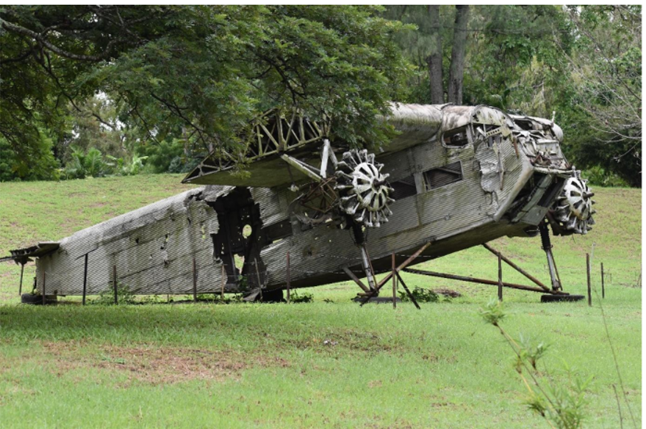
First on the agenda was a Ford 5-AT-C Trimotor, serial No A45-1. These were
manufactured between 1925 and 1933 by the Stout Metal Airplane Division of the Ford
Motor Company. It was a dual-purpose passenger and cargo plane powered by three
Pratt and Whitney 9-cylinder Wasp engines which produced 420 hp each. A total of 199
were built.
With its all metal corrugated aluminium construction, they were affectionately known
as the “Tin Goose”. The design closely resembled German planes built by Fokker and
Junkers.